How to reduce food waste... and lower your grocery bill, too!

How many times have you gone to get something out of the veggie drawer and found half a celery wilting away at the bottom of it? Or you've gone into the fridge to get some milk, only to find that it's gone bad, and you have to pour it down the sink. As a repeat offender in food wastage, I feel your pain. I hate wasting food as much as anyone, but what really gets me is that I'm not only wasting food, I'm wasting money. MY money.
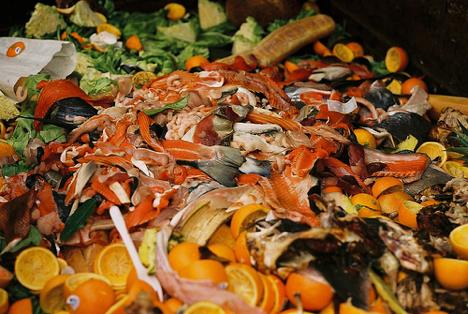
Estimates of how much food waste is generated varies from country to country, but EPA Figures for 2007 showed that 12.7% of the US waste stream (before recycling) consisted of food scraps. That meant that (just in the US) 31 million tons of food was thrown away into landfills and incinerators. In the UK, they estimate that a third of all food bought ends up going to waste. Reducing food waste not only means a potential saving to the consumer, but also better public sanitation by eliminating potential pest (and other) problems and a decrease in production of greenhouse gases from the decomposing food as well as from transporting all that food around.
The good news is that, with a little bit of planning, you can stop wasting your money by throwing your food in the garbage.

Planning and organization
The first area that you need to work on when trying to reduce food waste is getting organized.
- Decide which recipes you want to cook for the week. Check out my hub on how to cook quick and healthy meals if you're stuck for ideas on how to get organized.
- Be smart about your recipe choice. Choose recipes to use up ingredients that you know you will have too much of. For example, if your favorite recipe calls for half a broccoli, pick another recipe that uses up the other half if you know you'll have to buy a whole one.
- If you have an active family, be sure to check who will be in for dinner which nights of the week.
- Check what you have in your fridge, freezer and pantry. Make a note of the things that you've had for a while - those will need to be eaten ASAP if you want to avoid throwing them out! Stilltasty.com is a great website where you can find out how long you can keep common foods in the fridge/freezer.
- Make a list of what you need to buy at the grocery store. Make sure to include exact quantities so you don't accidentally buy too much.
How good are you at preventing food waste?
Shop smarter
Making some simple changes to how you shop will help you to reduce your food waste and may save you money on your grocery bill, too.
- Only buy what's on your list.
- Don't go shopping when hungry.
- Buy exactly what you need - this may mean buying smaller portions of things. For example, if you only need 100 ml of yogurt, don't buy a huge container of it. Even if it's cheaper by unit volume, this may be a false economy if you don't use most of it.
- Avoid pre-packaged and washed vegetables. These generally don't last as long as whole ones. For example, a head of lettuce will last longer than a bag of lettuce leaves.
- Check 'use before' and 'sell before' dates. Buy the longest lasting item you can find.
Hubs on using up leftovers
- What to Do with Leftover Hamburgers
If your family is like mine, when we go to the trouble to cook out on the charcoal grill, we make it worth the effort. In other words, we throw a lot of meat on the grill. It usually lasts us for several... - Ideas for Using Up Leftover Vegetables
Do you ever end up with small amounts of leftover vegetables wanting to go bad in your produce crisper? Maybe you cooked too many mushrooms or bought too many sweet potatoes. Maybe your produce is just... - What to Make with Leftover Turkey
I never actually eat the turkey on Thanksgiving Day. I know, I know, that's supposed to be whole point of the meal. But there's always so much good food that comes before the turkey - the mashed potatoes,...
Careful and creative cooking
While planning and shopping smarter will help you to waste less of your food, what you do with it once it's in the kitchen will make a difference, too.
- Measure out exact portions when cooking. If you don't know how big a portion size is, look on the package or look it up on the Internet. For example, I always weigh out my pasta - a portion size is around 60g of dried pasta.
- Use up your leftovers. A whole chicken, for example, can last for four meals - first, roast it and have it with some yummy veggies, second take the white meat off the bones and use it in sandwiches, third - use up the leftover dark meat in a chicken pot pie or stir fry it, and finally - boil up the bones to make a lovely soup - just add some veggies and rice/pasta
- Make double the quantity of your recipe and freeze half. This will save you money and hassle, plus for smaller families this may make it easier to use up all your fresh ingredients.
- Be creative with your recipes. If you have some leftover ingredients in the fridge, then adapt a recipe to include them or look up a new recipe specifically to use them up. Many Internet recipe sites allow you to search for recipes that include multiple ingredients - my favourite is BBC Good Food Magazine's website.
Supplies for composting

Composting
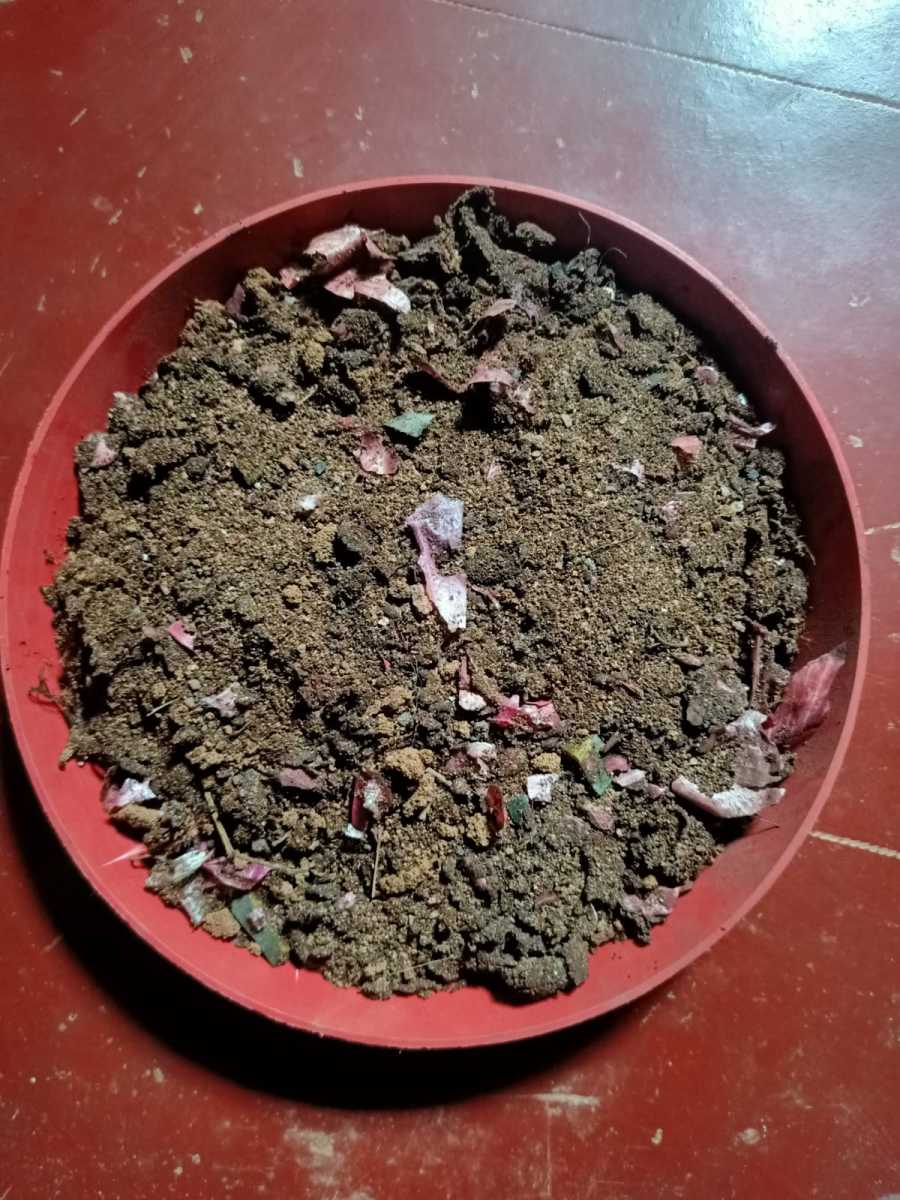
A final way to stop throwing your food in the garbage is to compost it. You can compost most vegetable and fruit waste, but make sure not to compost meat, bones, fish, fats, or dairy. Composting will allow you to recycle your organic waste back into your soil. Plus, if you use the compost in your vegetable garden then you'll be generating more food! Some cities/counties even collect organic waste - a great option if you don't want want to compost it yourself. Vermicomposting is another good option for those with limited space. The Sierra Club has lots of handy tips on how and what to compost.
Some other ways to save money on food bills
- Use sales and coupons (but only buy food you will eat)
- Make your own lunch
- Buy produce in season
- Avoid vending machines
- Buy generic brands
The last word
Many people often fall into the trap of buying too much food, or cooking too much food, and then not eating it. Changing your mindset to consciously trying not to throw your food (and money) in the trash is the first step in the right direction. With a little bit of planning and care, you can easily minimize your food waste, potentially reducing your food bills at the same time.